







Search Results for: Mirasu Strawberry Candy
Costa Rica Dota Estate Washed Geisha: Exploring the Top Coffee Flavors of the Tarrazu Region
Costa Rica, a country nestled in the Central American isthmus, has conquered the taste buds of countless coffee lovers with its honey-processed coffee beans. Front Street Coffee's bean list features six Costa Rican beans year-round, which speaks volumes about their exceptional quality. Today we introduce this Front Street Mirasu Geisha Blend, from Costa Rica's highest-altitude Tarrazu region, centered on 50% Geisha variety, blended with ET47, SL28, MAICO and other varieties, processed as raisin honey, presenting rich layers of jasmine floral notes interwoven with strawberry berry flavors. Front Street's roaster uses a medium roast, and the barista uses a high temperature of 93°C, a finer grind, and a V60 dripper with a three-stage pour, striving to release the sweetness and aroma of this bean to the greatest extent. [more…]

Why Is Costa Rican Geisha So Sweet? Key Brewing Tips for the Mirasu Blend
Geisha traveled from Ethiopia to the world, shining brightly in Panama before taking root in the high-altitude growing regions of Central America. Costa Rica, with Tarrazú's volcanic soil and large day-night temperature swings, has cultivated a Geisha coffee that boasts both sweetness and floral aromatics. In this comparison, Front Street Coffee pits La Candelilla Estate washed Geisha against Mirazu Estate raisin honey-processed Geisha blend, breaking down the flavor differences between the two beans step by step—from varietal composition and green bean processing to roast profiles and the V60 three-pour brewing method—to help coffee lovers find the cup that suits their taste better. [more…]
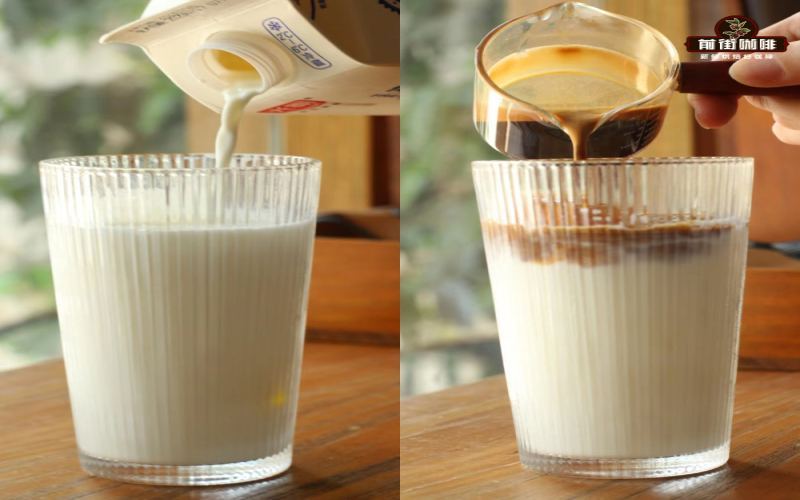
How should the milk ratio for an SOE latte be adjusted? Which kind of espresso beans are suitable for a hot latte?
Latte is a classic combination of espresso and milk, but to make a good SOE latte, there is much to consider from bean selection to extraction to the milk-to-coffee ratio. This article revolves around the differences between SOE and espresso blends, the extraction difficulties of light-roasted beans, and the optimal ratio of milk to coffee liquid, and uses the Costa Rica Strawberry Candy Geisha blend as an example to break down in detail the complete parameters and steps for making an SOE hot latte at Front Street Coffee stores, including dose, liquid volume, extraction time, grind setting, and key points for steaming milk, helping coffee enthusiasts reliably reproduce a fragrant, sweet-forward SOE latte at the store or at home. [more…]
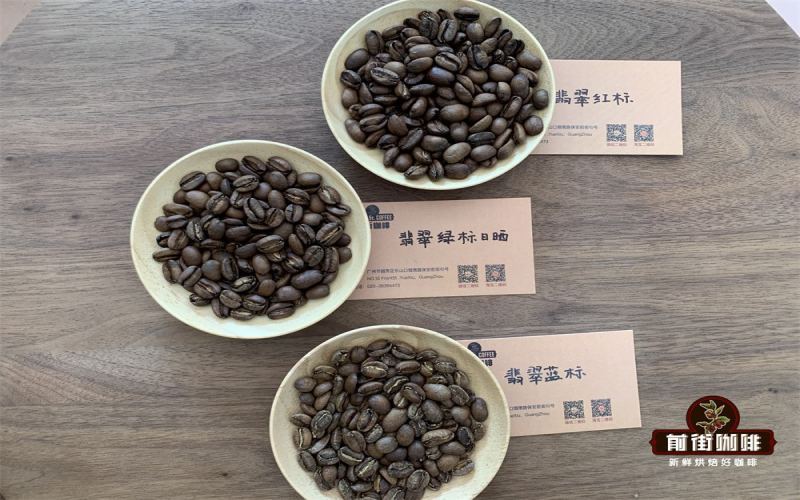
Comparison of Geisha Coffee from Three Major Origins: An Analysis of Flavor Differences Between Panama, Costa Rica, and Guatemala
Since Geisha coffee first rose to prominence at Hacienda La Esmeralda in Panama, producing regions around the world have raced to plant it, yet each terroir gives it a distinctly different expression. This article begins with the variety's origins, compares the growing conditions and cup profiles of Geisha from Panama, Costa Rica, and Guatemala, and shares Front Street Coffee's hands-on experience in selecting and brewing Geisha. Whether you want to understand the difference between red-tag and green-tag lots, or are curious about how honey and natural processing change the flavor, you'll find the answers here. [more…]
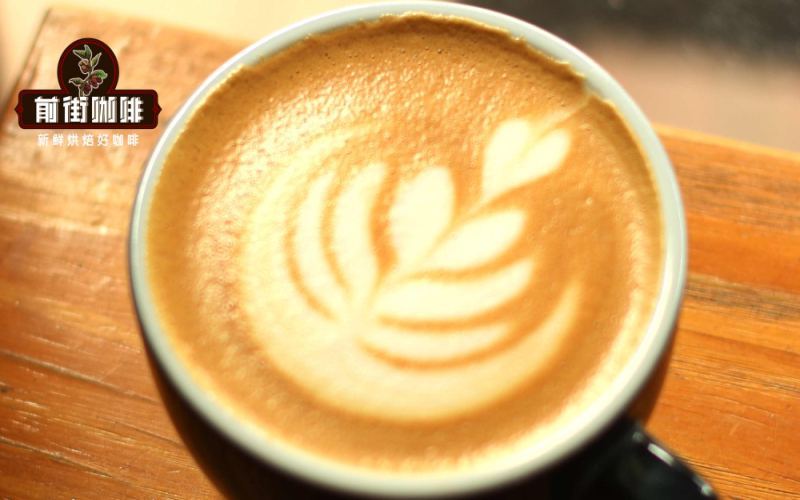
Why is SOE Latte so favored? Front Street explains single-origin espresso hot latte bean selection and preparation essentials
In the world of milk coffee, the latte has become one of the most popular drinks thanks to the marriage of espresso and milk. In recent years, SOE lattes have gradually gained popularity, winning over many coffee lovers with the distinct character of single-origin coffee beans. So what exactly makes an SOE latte special? What coffee beans should you choose to make a delicious hot SOE latte? And how should the ratio of coffee to milk be managed? Drawing on Front Street's production experience, this article sorts out the differences between blends and single-origin espresso, and uses the Costa Rica Mirazu Strawberry Candy Geisha blend as an example to fully demonstrate the extraction parameters and operating procedure for a hot SOE latte, helping you make a latte that boasts both floral-fruity aromas and milky sweetness. [more…]
Analysis of the Definition of Single-Origin Coffee Beans and a Brewing Log of Costa Rica Mirazu Estate Raisin Honey-Process Geisha Blend
How exactly are single-origin coffee beans defined? This article begins with Front Street Coffee's Geisha blend, sorting out the naming logic and origin awareness of single-origin coffee, and takes a deep dive into Mirazu Estate in the Tarrazú region of Costa Rica, analyzing the composition of its multi-variety blend of Geisha, ET47, SL28, and Maico, as well as the processing details of the raisin honey method. The estate owner Esteban Sanches's formal academic background and experimental spirit give this bean both floral notes and berry sweetness. The article also fully presents Front Street Coffee's roasting curve, cupping report, and V60 brewing parameters, providing coffee enthusiasts with a full-process reference from green bean understanding to extraction execution. [more…]
2022 Front Street Coffee Specialty Roasted Bean Price List: A Bean-Hunting and Roasting Journey from Ethiopia to Yunnan
Front Street Coffee (FrontStreet Coffee) cups hundreds of sample lots every year, and in the end only around fifty make it onto the menu—a testament to how rigorous its selection standards are. The 2022 new-crop menu covers origins including Ethiopia, Kenya, Papua New Guinea, Indonesia, Jamaica, Hawaii, Panama, Costa Rica, Colombia, Brazil, Honduras, and Yunnan, China. Processing methods range widely, from washed and natural to wet-hulled and barrel-fermented. This article provides a complete rundown of each coffee's origin background, variety information, processing method, flavor description, and price, making it easy for coffee lovers to choose what they need. [more…]

Hacienda La Esmeralda Geisha Full Guide: Flavors of the Three Producing Regions, Red/Green/Blue Label Grading, and Pour-Over Guide
Geisha coffee began in the primitive forests of Ethiopia, and after passing through many countries, it shot to fame by winning the 2004 BOP competition with Panama's Hacienda La Esmeralda, becoming a legend in the specialty coffee world ever since. This article systematically traces Geisha's origins and spread, explains its strict requirements for growing conditions, and compares the cultivation backgrounds and flavor differences of Geisha from Colombia, Costa Rica, and Ethiopia. The article also details Hacienda La Esmeralda's grading standards for Red Label, Green Label, and Blue Label, as well as market changes such as the discontinuation of Blue Label and the emergence of Volcanic Rock, and at the end includes Front Street Coffee's V60 three-stage brewing parameters and complete flavor descriptions of four Geisha coffees to help you truly understand this famous jasmine-scented bean. [more…]
2025 Imported Roasted Coffee Bean Price Overview: How Much Per Catty for Front Street Coffee's New-Crop Single-Origin Beans?
The 2025 new-crop bean list from Front Street Coffee has been officially released. Every year, the bean-sourcing team tests over 300 sample lots, and in the end only about 50 make it onto the shelves—a clear sign of just how strict the selection criteria are. This article compiles the latest prices for the entire lineup of imported roasted coffee beans currently on sale this season at Front Street, covering classic representative beans from major producing regions such as Ethiopia, Kenya, Papua New Guinea, Indonesia, Jamaica, Hawaii, Panama, Costa Rica, and Colombia. From COE auction-winning beans to everyday washed Yirgacheffe, from Blue Mountain No. 1 to Hacienda La Esmeralda Geisha, each one is labeled with its origin, processing method, and flavor description, making it easy for coffee lovers to choose according to their needs. [more…]
Costa Rica Tarrazu Coffee Region Analysis: Raisin Honey Process Mirasu Flavor, Brewing Parameters, and Growing Advantages
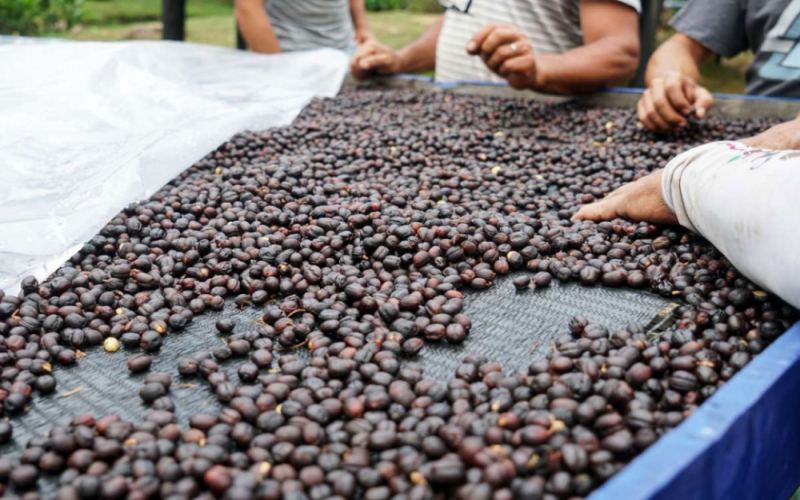
Costa Rica is world-renowned for its honey-processed coffee, and the Tarrazú region is among the very best. This article focuses on Front Street Coffee's Costa Rica Mirazu coffee, tracing the history of coffee cultivation in Costa Rica and the birth of the honey process, explaining in detail the difference between raisin honey processing and traditional honey processing, and introducing the terroir conditions, grading standards, and variety composition of the Mirazu estate in the Tarrazú region. It also includes Front Street's V60 pour-over extraction parameters to help coffee lovers gain a comprehensive understanding of this Costa Rican coffee that combines floral aromas with berry sweetness. [more…]
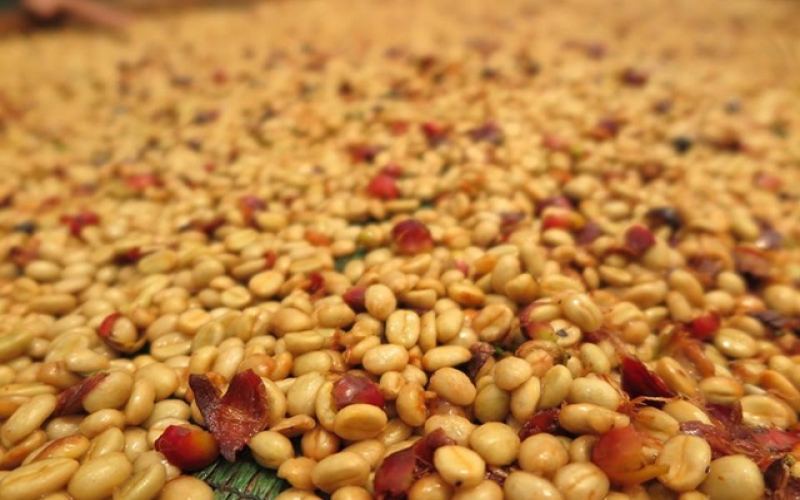
Where does the color variation in coffee beans come from? Why do honey processing and anaerobic processing cause uneven shades on the bean surface?
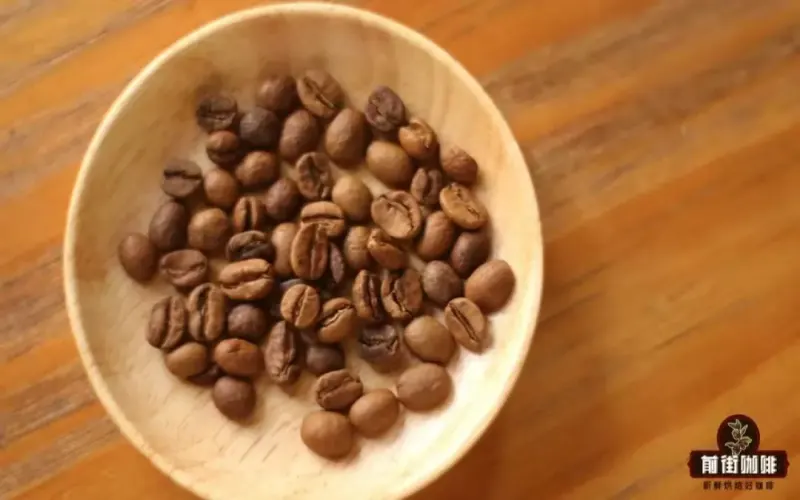
Coffee enthusiasts often notice that the coffee beans they buy vary in color from light to dark, and suspect a roasting problem. In fact, in most cases the color variation is not a roasting accident—it may actually mean the beans can brew into a richer, more layered cup. As an agricultural product, coffee beans can never be as uniform as an industrial product. This article starts from the common questions received by Front Street Coffee's customer service to explain how factors such as the uneven size of Ethiopian beans, residual pectin sugars in honey processing, and anaerobic processing cause color variation in coffee beans—and why this variation is sometimes a plus for flavor. [more…]
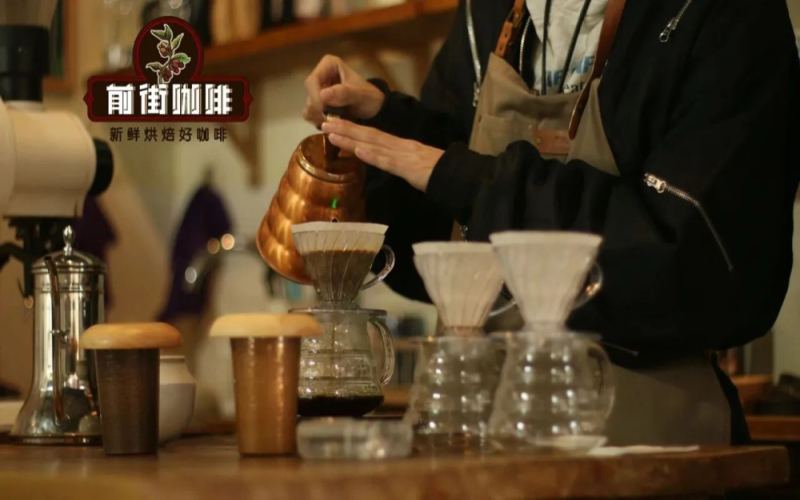
Front Street Coffee explains the brewing techniques and flavor profile of Panama Butterfly coffee beans.
Panama Butterfly is a highly representative Geisha blend coffee from the Boquete region, composed of approximately seventy percent washed Geisha mixed with Caturra and Catuai, combining the rich aromatics of high-altitude coffee with citrusy honeyed notes. Front Street Coffee is frequently asked by customers about the brewing method for this bean in daily life, so this article systematically organizes the complete parameters from dripper selection, grind size, water temperature, and coffee-to-water ratio to the segmented pouring technique, and provides explanations for phenomena such as the low bloom expansion of light-roasted beans and the sinking of the coffee bed in the final stage, helping coffee enthusiasts consistently brew out Butterfly's floral aroma and layered complexity. [more…]
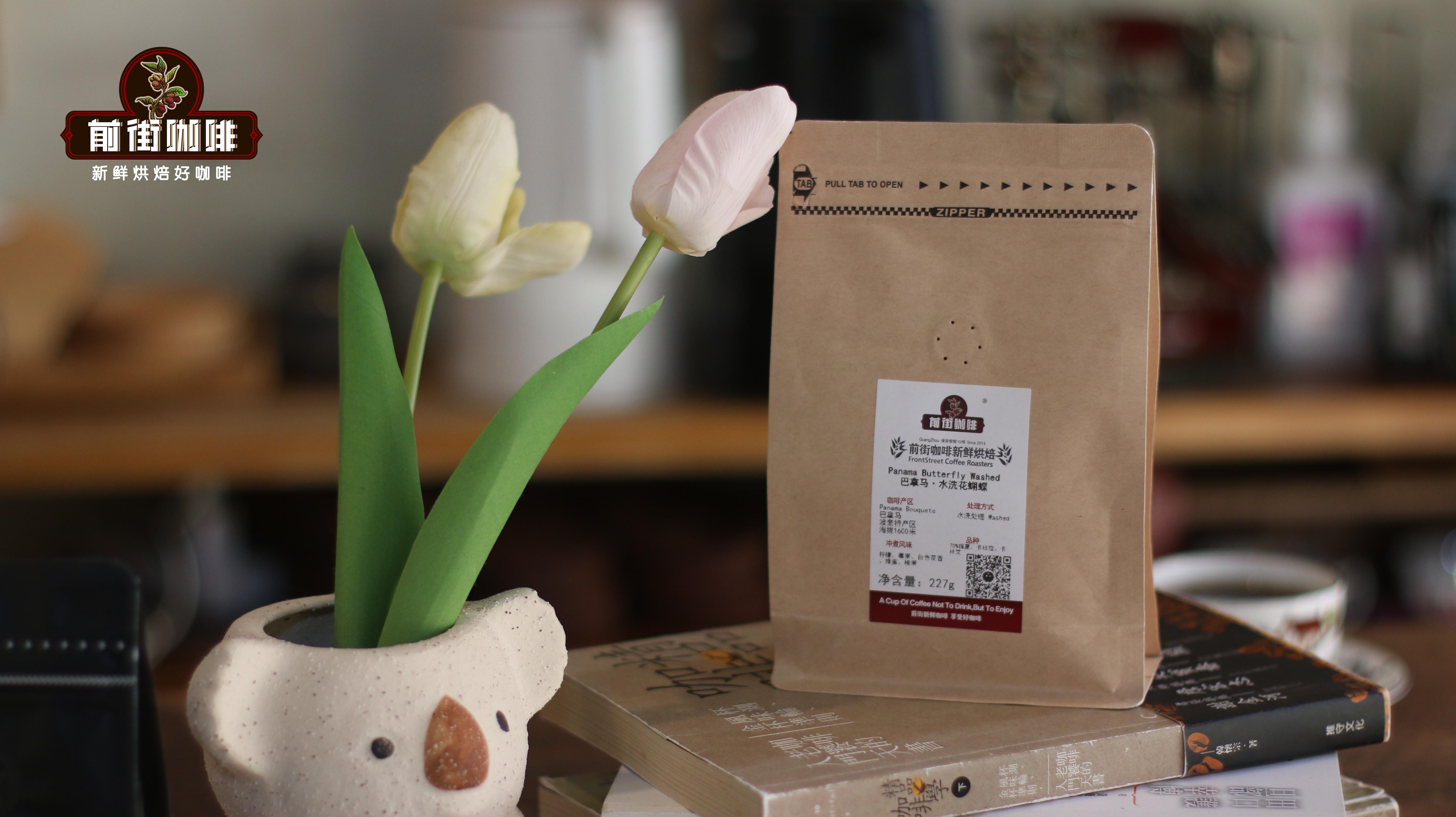
Analysis of the Differences Between Natural and Washed Coffee Bean Processing Methods: A Flavor Comparison of Two Gesha Blend Butterfly Varieties
The same coffee beans can present completely different flavor profiles simply because of different processing methods. This article takes Front Street Panama Boquete Butterfly, a Geisha blend, as an example, and analyzes it one by one from variety composition and regional characteristics to the principles and pros and cons of the two processing methods, natural and washed. Through an actual cupping comparison, Front Street Washed Butterfly shows a clean profile of white floral notes and black tea, while Front Street Natural Butterfly leans toward a rich style like tropical fruit red wine. If you are also wondering which is better, natural or washed coffee, or want to understand the ins and outs of Geisha blends, this article will provide you with a clear answer. [more…]
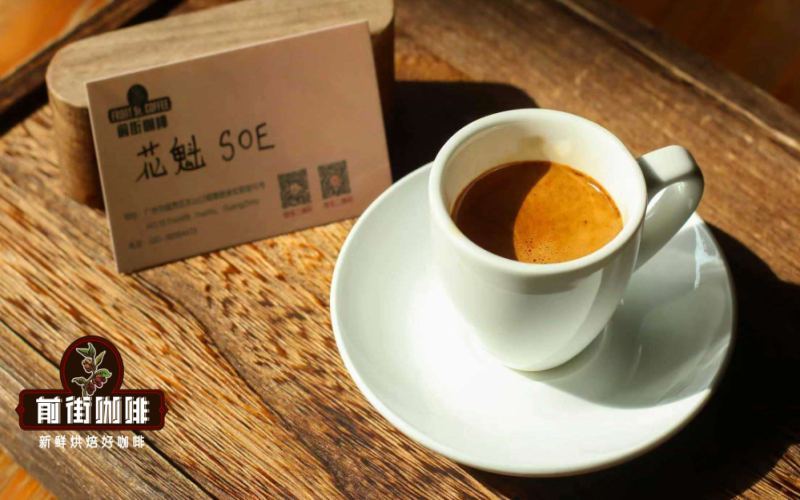
How to Choose SOE Espresso Beans? Weighing Regional Flavors Through Roast Level and Crema Performance
SOE is short for "Single Origin Espresso," referring to espresso made from a single-origin coffee. Its core idea is to amplify the distinctive flavors of a particular region through the espresso format. However, not all coffee beans are suitable for SOE—the roast level directly affects the richness of the crema and the flavor direction. This article compares three everyday beans: a light-roast Yirgacheffe, a medium-roast Brazil, and a dark-roast Mandheling, observing differences in crema performance under identical extraction parameters. This will help you understand why medium to medium-dark roasted beans are more recommended for everyday espresso making, and what kind of people light-roast SOE suits. We will also discuss the limitations of SOE and the value of blend options. [more…]
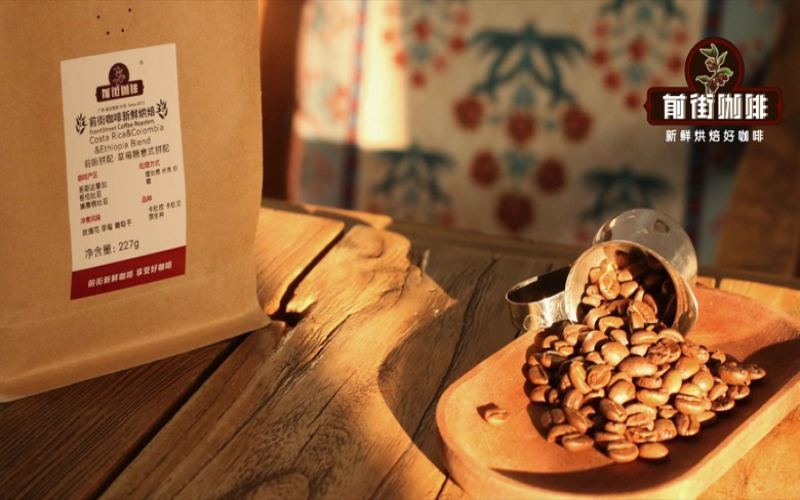
Why Strawberry Candy Latte Works: The Underlying Logic of Flavored Beans
Seeing a strawberry candy latte on a café menu, many people instinctively assume it contains syrup. In fact, a properly processed flavored bean can produce a strawberry-like sweet aroma without any syrup at all, and Front Street Coffee's Strawberry Candy Blend was designed with exactly this approach in mind. Its premise is that the bean's own fermented flavor is distinctive enough—so distinctive that [more…]

Don't like bitter coffee? This strawberry candy-flavored espresso bean is worth a try
"This coffee is too bitter—I just can't drink it." If you've ever had this thought, it may not be that you dislike coffee—it's that you haven't found the right flavor. Traditional espresso beans mostly take a rich, intense route, with bitterness and roast character as the main notes. But Front Street Strawberry Candy coffee beans take a different path: fruity espresso. Its espresso smells [more…]
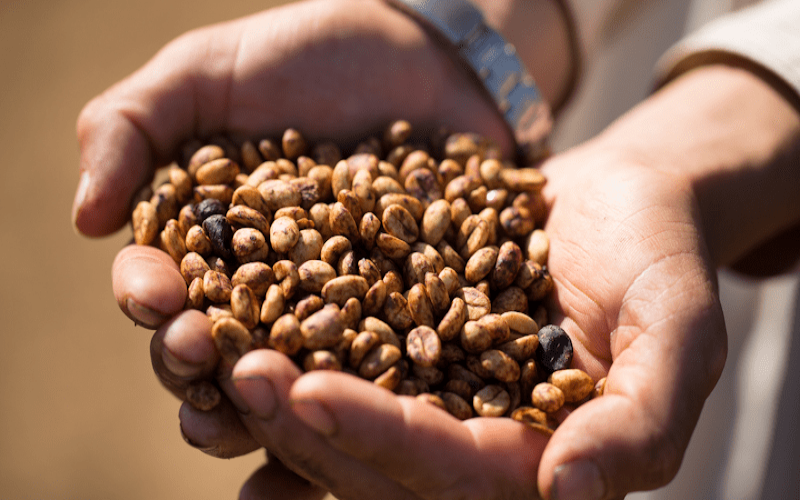
Pectin Retention Determines Flavor Direction: The Difference Between Honey Processing and Natural Processing and a Full Analysis of Raisin Honey Processing
Among coffee processing methods, washed, natural, and honey processing each have their own merits, but what makes honey processing unique is that it retains the mucilage layer during drying, giving rise to numerous variations such as yellow honey, red honey, black honey, and even raisin honey processing. The amount of mucilage retained directly affects drying time and flavor complexity; from Brazil's pulped natural to Costa Rica's refined improvements, honey processing continues to evolve. This article will systematically sort out the core differences between honey processing and natural processing, the specific operational differences among the various sub-types, and focus on introducing the raisin honey processing method that has become popular in recent years, while also retaining Front Street Coffee's relevant bean recommendations, providing coffee lovers with a complete reference on processing methods. [more…]
What is the difference between honey processing and natural processing? A detailed explanation of mucilage-retention techniques and the innovative raisin honey process
Among coffee processing methods, washed, natural, and honey processing are three common approaches. Honey processing, with its unique technique of retaining mucilage during drying, achieves a more exquisite balance in flavor. From Brazil's pulped natural to Costa Rica's yellow, red, and black honey grading, and on to the raisin honey process that has become popular in recent years, this processing method has continuously evolved into a rich array of variations. This article will systematically review the origins of honey processing, the various grading standards, and its core differences from natural and washed processing, with a focus on introducing the innovative workflow and flavor characteristics of raisin honey processing. It will also recommend several classic honey-processed coffee beans from Front Street Coffee to help coffee enthusiasts gain a deeper understanding of the appeal of this processing method. [more…]
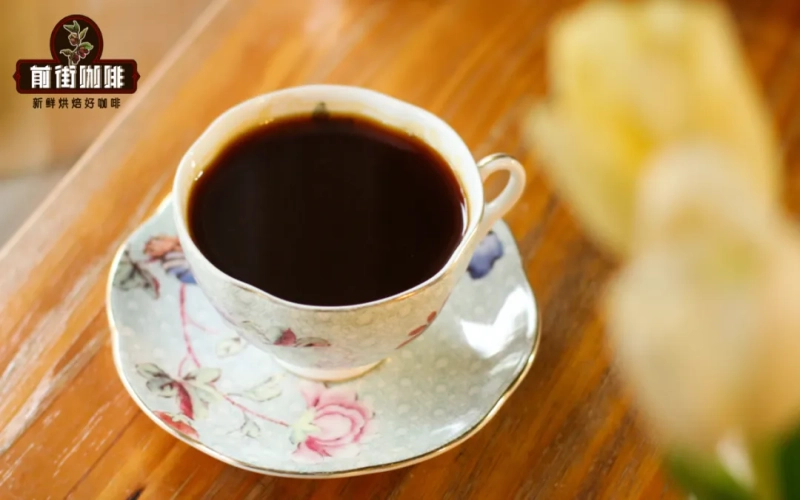
Costa Rica Geisha Flavor Analysis: Brewing Parameters and Origin Story of the Mirazu Strawberry Candy Blend
Although Geisha coffee is famous for its connection to Panama, its varietal lineage entered Central America through Costa Rica. This article traces the spread of Geisha from Ethiopia to Costa Rica and then to Panama, and focuses on the Costa Rica Mirazu Estate Strawberry Candy Geisha blend introduced by Front Street Coffee. This blend is composed of 50% Geisha and 50% ET47, SL28, and MAICO, undergoes raisin honey processing, and presents jasmine floral aromas, raisin sweetness, and strawberry gummy candy flavors. The article explains in detail the estate's varietal background and processing methods, and includes Front Street's V60 pour-over parameters and brewing technique, providing a complete reference for coffee enthusiasts. [more…]
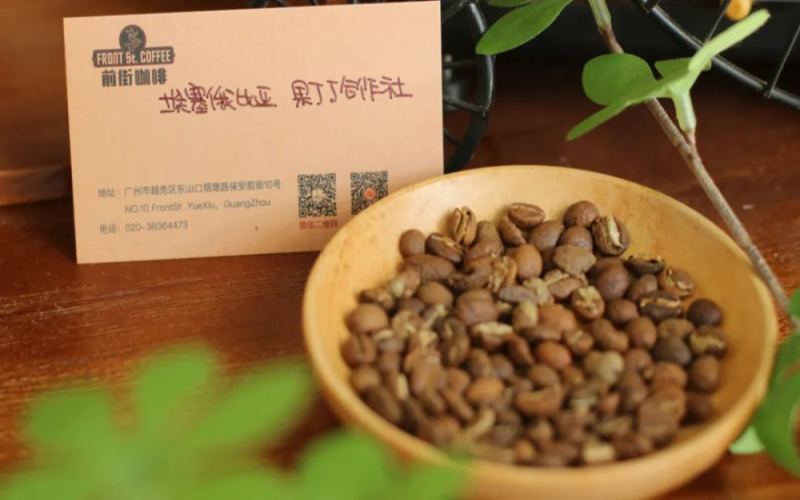
How to make a floral espresso? Front Street Strawberry Candy Blend delivers consistent extraction and fruity-floral sweetness
For a latte art coffee with floral aromas, bean selection is key. Front Street Coffee's Yirgacheffe Gidding and Front Street Coffee's Panama Geisha are certainly captivating, and Front Street Coffee's sun-dried Huakui and Front Street Coffee's Blackberry can also deliver rich fruity notes, but these light-roast beans are better suited to pour-over or cold brew, as their extraction is unstable when pulled as espresso. Therefore, a medium-roast blend designed specifically for espresso is needed. Front Street Coffee's Strawberry Candy espresso blend combines three major origins—Costa Rica, Colombia, and Ethiopia—preserving the floral and honeyed notes of Geisha, enhancing the sweetness of honey processing, and drawing out caramel flavors. Used to make an americano or latte, it offers a fuller body and presents the sweet aromas of strawberry fruit candy, grapes, and roses, with low bitterness and a lingering finish—making it an ideal choice for a floral espresso. [more…]